How to Date a Farmer - What You Really Need to Know in 2026

A practical, no-nonsense guide to understanding farm schedules, building real connections, and making rural dating work.

Dating a farmer is not like dating someone who works a 9-to-5. There is no clocking out, no predictable weekends, and no guarantee that dinner plans will not be derailed by a broken irrigation line or a cow calving at midnight. Only about 1% of the U.S. population farms for a living, which means the vast majority of potential partners have never experienced the rhythms, demands, or deep rewards of agricultural life. This guide breaks down what you actually need to know - whether you are a fellow farmer, a rancher looking for love, or a city person genuinely curious about rural romance.

The Short Version

  • Schedules are non-negotiable. Planting, harvest, and livestock care come first - always. Flexibility is the top trait farmers look for in a partner.
  • Communication looks different. Expect slower replies during field work and longer conversations during winter evenings.
  • Visits to the farm are real dates. If you are uncomfortable with mud, animals, or open spaces, farm dating may not be for you.
  • Patience beats perfection. The best farm relationships are built in the shoulder seasons - winter and early summer - when the pace slows down.

Understanding the Farmer's Schedule

The average American farmer is 58 years old (USDA Census of Agriculture, 2022), and most manage operations where the work literally never stops. Dating a farmer means accepting that their calendar is dictated by nature, not convenience. Here is a season-by-season breakdown of what to expect:

Spring Planting (March-May)

This is one of the busiest windows on any farm. Crop farmers in states like Iowa and Indiana are planting corn and soybeans from dawn until well past dark. Equipment breakdowns, weather delays, and tight windows mean plans get canceled without warning. Do not take it personally - it is survival, not indifference.

Summer Growing Season (June-August)

The pace eases slightly for row-crop farmers, but livestock operations remain around the clock. This is the best time for dates: county fairs, barn dances, farmers' markets, and long evenings on the porch. Use this window.

Fall Harvest (September-November)

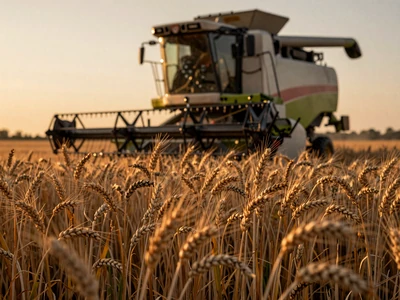
Harvest is all-hands-on-deck. Journalist Christina Johnson, after dozens of interviews with farm families, concluded that "farming is harder on relationships than it helps them." During harvest, a farmer may work 16-hour days for weeks straight. The best thing a partner can do? Show up with dinner at the field. Seriously - it means more than any fancy restaurant.

Winter (December-February)

The quiet season. Livestock still needs daily care, but crop farmers have significantly more free time. This is peak season for farm dating - and the period when most farmers sign up for platforms like Farmstead Singles. According to dating industry data, rural dating registrations spike 40% between November and February.

"If you marry a rancher, you marry the work. It is 24 hours a day, 365 days a year."

- California cattle rancher, interviewed by Civil Eats

Communication When Your Partner Is in the Field at Dawn

Communication patterns in farm dating are fundamentally different from urban norms. A farmer who does not reply to your text for six hours is not ghosting you - they are probably driving a tractor through a field with no cell signal.

Here is what works:

  • Morning texts before 5 AM are appreciated - farmers are already up. A quick "good morning" while they are doing chores means a lot.
  • Evenings after 7 PM are the best window for real conversations. Save the deep talks for this time.
  • Voice messages over texts - farmers can listen while working but cannot always type back. Voice notes bridge the gap.
  • Do not interpret silence as disinterest. According to FarmerDatingExpert.com, patience with a farmer's unpredictable schedule is essential - but do not tolerate consistent indifference either. There is a difference between "busy planting" and "not interested."

Long-distance is common in rural dating. If the nearest promising match lives 50 miles away, read our guide on long-distance rural relationships for strategies that real farm couples use to stay connected.
5 Practical Steps to Make Farm Dating Work

1

Be Honest in Your Profile

Skip the tractor selfie cliches. Show real farm life - your livestock, your fields, your morning coffee on the porch. Farmers spot fake country enthusiasm instantly. If you are a city person, say so honestly.

2

Learn Their Rhythm

Ask what season they are in and plan around it. Spring and fall are nearly impossible for dates. Winter and early summer are your best windows. Respect the calendar.

3

Visit the Farm Early

A farm visit by the second or third date is normal. If you are not comfortable with animals, mud, and wide-open spaces, you will find out fast - better to know before feelings deepen.

4

Show Up with Practical Support

Bring lunch to the field during harvest. Help with small tasks if invited. Farmers value actions over words. A partner who delivers a hot meal during a 14-hour day earns serious respect.

5

Discuss Non-Negotiables Early

Where will you live? Are you okay with farm finances (income tied to land, not cash)? Can you handle isolation? These conversations matter more than hobbies or favorite movies.

Is Farm Life Compatible with Your Lifestyle?

This is the honest question most farm dating guides avoid. The truth is: dating a farmer is not romantic all the time. It is early mornings, financial stress tied to weather and commodity prices, and a partner who may be too exhausted to go out on a Friday night.

Consider Lisa and Will, a couple profiled by Civil Eats who moved from San Francisco to a rural California town of 3,000 people to start farming. Will was not prepared for the workload or the financial strain. Lisa shared: "He hates me for making him come. And I hate him for not wanting to stay." Their story is a cautionary tale - but also a honest one.

The best farm relationships happen when both partners understand the trade-offs. Over 90% of American farms are family-run (USDA, 2022), which means your relationship and your livelihood become deeply intertwined. That can be beautiful - or suffocating - depending on compatibility.

Not sure if you are ready? Our seasonal dating challenges article breaks down exactly what each part of the farm year looks like for relationships. And if safety is on your mind, start with our safety tips for farm dating.

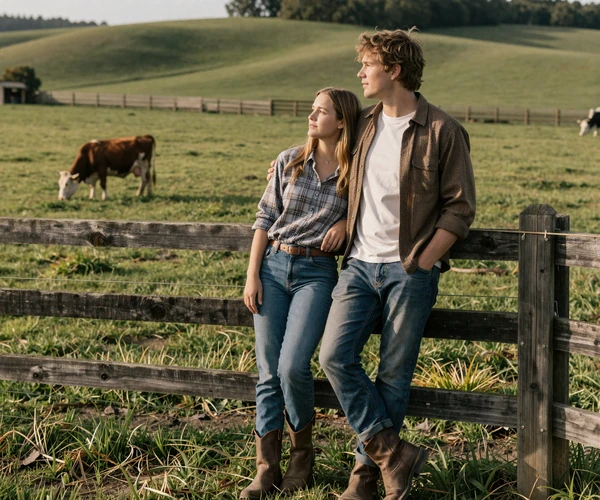
Couple leaning on a farm fence overlooking green pastures with cattle grazing - farm life compatibility
2M+ Farms in the United States USDA Census 2022
58 Average Age of U.S. Farmer USDA Census 2022
63% Farmers with Off-Farm Jobs USDA ERS 2023
90%+ Farms That Are Family-Run USDA Census 2022

Keep Reading

Farm Dating Questions

Yes - but not for the reasons most people think. The biggest challenge is schedule unpredictability, not the lifestyle itself. Farmers work 12-16 hour days during planting and harvest, leaving little time for dates. However, the off-season (December-February) offers more flexibility than most 9-to-5 jobs. Couples who plan around the farm calendar tend to build stronger, more intentional relationships.
Ranching is a 365-day commitment - cattle need feeding, fencing needs repair, and emergencies happen at 2 AM. Unlike crop farming, there is no true off-season. If you are dating a rancher, expect dates on the ranch itself (horseback rides, cookouts, fence-mending together). The upside: ranchers are deeply rooted, self-sufficient, and loyal. Just know that moving to the ranch is often a non-negotiable part of a serious relationship.
Absolutely not. Many successful farm couples include a non-farming partner. What matters is respect for the lifestyle - willingness to adapt to the schedule, comfort with rural living, and genuine interest in how the farm operates. Pretending to be country when you are not is the fastest way to lose a farmer's trust. Be honest about your background.
County fairs, agricultural expos, livestock auctions, and farm supply stores are traditional meeting spots. Online, niche platforms like Farmstead Singles connect rural singles across 19 states. Mainstream apps like Tinder and Bumble have very few users in rural zip codes, which is why 78% of agricultural singles prefer niche dating platforms (Farmstead Singles survey, 2026).
Winter - specifically December through February. Crop farmers have the most free time, livestock chores are lighter, and the emotional pull of loneliness after harvest season motivates farmers to put themselves out there. Registrations on farm dating platforms spike 40% during this window. If you want the best pool of active, available farmers, sign up before the holidays.

Ready to Meet a Farmer? Join Farmstead Singles Free

Stop reading about farm dating and start living it. Create your free profile in under two minutes.

Free to sign up. No credit card required.