Farming is not a job - it is a calendar that runs your life. If you are dating a farmer or thinking about it, the single most important thing to understand is that the agricultural year dictates when romance is possible and when it is not. Over 2 million farms operate across the United States (USDA Census, 2022), and every one of them follows a seasonal rhythm that leaves farmers with wildly different amounts of free time depending on the month. This is not a flaw in the relationship. It is the reality of feeding a nation - and the couples who understand it are the ones who last.
The Farmer's Dating Calendar at a Glance
- 🔴 Spring Planting (March-May): Nearly zero availability. 14-16 hour days, missed calls, canceled plans. Do not take it personally.
- 🟡 Summer Growing (June-August): Moderate availability. County fairs, farmers' markets, and long evenings make dating possible - especially for crop farmers.
- 🔴 Fall Harvest (September-November): The busiest period of the year. Combine schedules, trucking, and grain storage dominate every waking hour.
- 🟢 Winter (December-February): Peak dating season. Livestock still needs care, but crop farmers have the most free time all year. Registrations on farm dating sites spike 40%.
Spring Planting (March-May): The Disappearing Act
Spring planting is the season when farmers seem to vanish from the dating world entirely. In states like Iowa and Nebraska, corn and soybean planting begins in early April and runs through late May. The USDA reports that Iowa alone plants over 12.9 million acres of corn annually - and every acre has a narrow window before the season closes.
What does this mean for dating? Farmers routinely work 14 to 16 hours a day during planting. They leave the house before sunrise and return after dark. Equipment breakdowns, rain delays, and shifting weather forecasts create a constant state of improvisation. A dinner date planned for Thursday might get moved to Saturday, then canceled entirely when the forecast shows a dry window on Sunday morning instead.
"During planting, my phone stays in the cab and I check it maybe twice a day. If someone I'm seeing can't handle that, we won't make it past May."
- Iowa corn farmer, 34, Farmstead Singles member
Here is the thing: this is not a red flag. A farmer who goes quiet during planting is not losing interest - they are doing the work that puts food on tables across the country. The partners who understand this distinction are the ones who earn a farmer's deep loyalty.
How to Handle Spring as a Partner
- Send short, encouraging texts without expecting immediate replies
- Offer to drop off a meal - it will be remembered for years
- Plan your own social life so you do not feel abandoned
- Mark "late May" on your calendar as the light at the end of the tunnel
Fall Harvest (September-November): All Hands on Deck
If spring planting is the disappearing act, fall harvest is the marathon. Harvest is the culmination of an entire year's investment - every delayed hour can mean lost income. According to the USDA Economic Research Service, U.S. farm production was valued at over $415 billion in 2023, and a significant portion of that value is captured in a narrow harvest window between September and November.
In the Midwest, combines run from early morning until the grain dryer shuts down at night. Truck drivers haul loads to elevators and storage bins. Equipment mechanics work on call. It is not just the farmer who disappears - it is the entire rural community that shifts into harvest mode.
| Crop | Peak Harvest | Key States | Daily Hours |
|---|---|---|---|
| Corn | October-November | Iowa, Illinois, Indiana | 14-18 hours |
| Soybeans | September-October | Iowa, Ohio, Minnesota | 12-16 hours |
| Wheat | June-July | Kansas, Montana, Nebraska | 14-16 hours |
| Cotton | October-December | Texas, Alabama, Arkansas | 12-14 hours |
Why does this matter for dating? Cancelled plans during harvest are not about priorities - they are about survival. A farmer who skips your birthday dinner to finish combining before a rainstorm is making a financial decision worth tens of thousands of dollars. The best response? Understanding. The couples profiled in our How to Date a Farmer guide consistently say the same thing: showing up with dinner at the field during harvest earns more loyalty than any fancy date ever could.
Winter and Early Summer: When Romance Actually Blooms
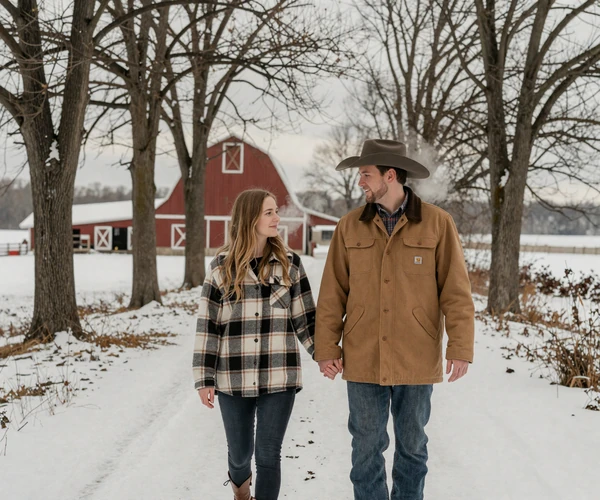
The best-kept secret in farm dating is that winter is the most romantic time on a farm. December through February is when crop farmers finally exhale. Equipment gets serviced, tax planning happens at the kitchen table, and - most importantly - evenings are free. Livestock farmers still have daily chores, but the pace slows considerably compared to calving season or summer pasture management.
This is when farm dating comes alive. Industry data shows that registrations on rural dating platforms spike by roughly 40% between November and February. The emotional driver is clear: after months of grueling harvest work, the quiet of winter amplifies loneliness. The nearest neighbor may be five miles down a gravel road. The local diner closes at 7 PM. Online dating becomes not just convenient but necessary.
Early summer (June through mid-August) is the second-best window. Crops are planted and growing. Livestock is on pasture. County fairs kick off across the Midwest and South. Farmers' markets bring rural communities together every Saturday morning. These are the settings where farm relationships thrive - casual, low-pressure, surrounded by the things farmers love.
Best Winter Date Ideas for Farm Couples
- Bonfire and stargazing - no light pollution on a farm means incredible night skies
- Cooking together with farm-fresh ingredients from the freezer or root cellar
- Farm equipment shows and agricultural expos (January-February)
- Day trips to nearby towns, diners, or state parks
- Board games and slow mornings - farmers rarely get to sleep in, but winter allows it
Staying Connected When They Are in the Field
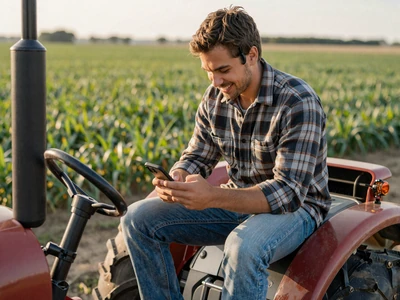
Long-distance communication during peak season requires intentional strategies, not just patience. According to FarmerDatingExpert.com, a farmer's schedule is often unpredictable and changes without warning - they may not reply to a message for hours or miss a planned video call because a piece of equipment broke down at the worst possible moment. The advice is to be patient, but not to tolerate consistent indifference. There is a real difference between "I'm in the field" and "I'm not interested."
Here is what actually works during planting and harvest:
- Voice messages over texts. A farmer driving a tractor can listen to a 30-second voice note but cannot safely type back. Send updates about your day - it keeps you present in their mind.
- Photo exchanges from the field. Ask for sunset photos from the combine cab. Share pictures of your dinner, your dog, your evening walk. Visual updates maintain intimacy when conversation is impossible.
- Weekend mini-dates. Even during harvest, most farmers take a few hours off on Sunday. A 90-minute lunch together can sustain a relationship through weeks of separation.
- Set realistic expectations together. Before the busy season starts, have an honest conversation: "I know you'll be unavailable. What's the minimum connection we both need to feel okay?" A weekly phone call might be the answer - and that is perfectly fine.
For couples navigating real distance on top of seasonal busyness, our long-distance rural relationships guide covers strategies that farm couples across Nebraska, Montana, and Iowa use to stay connected when the nearest match lives hours away.
"We survived our first harvest by agreeing on one phone call every night at 9 PM, even if it was only five minutes. That consistency was our lifeline."
- Katie, dairy farmer's partner, Wisconsin