
Ohio Farmers Dating - Where Buckeye Singles Find Their Match
From the soybean fields of western Ohio to the dairy farms of Wayne County, connect with agricultural singles who understand your Buckeye way of life.
Free to join. Search by county, distance, and farm type.
Ohio Agriculture by the Numbers
Ohio farmers dating starts with understanding the scale of the Buckeye State's agricultural community. With over 73,600 farms producing $15.4 billion in annual value - including $8.8 billion in crops and $6.6 billion in livestock - Ohio is one of the Midwest's agricultural powerhouses. Yet rural singles here face the same challenge as farmers everywhere: finding a partner who truly understands what it means to live and work on the land.
From Cleveland to the Countryside - Ohio's Dating Divide
Ohio is a state of contrasts. Cities like Cleveland, Columbus, and Toledo buzz with nightlife, dating apps, and social events - while just 45 minutes outside any metro, you will find soybean fields stretching to the horizon, Amish buggies on two-lane roads, and communities where the nearest single farmer lives two counties over. This urban-rural split creates a real dating divide for Ohio's 73,600 farm operators.
According to USDA Census data, 62% of Ohio's 132,912 farmers hold a primary job outside agriculture. That means farm singles are juggling factory shifts or office work with dawn chores, harvest schedules, and livestock care - leaving precious little time for the dating scene. Mainstream apps like Tinder or Bumble have dense user pools in Columbus and Cincinnati, but in farming counties like Darke, Mercer, and Putnam, the results are thin at best.
Here's the thing: Ohio's farming counties are some of the most productive in the entire Midwest. Darke County alone produces more agricultural revenue than many entire states. But productive farmland does not equal a productive dating life. When everyone at the local diner knows your name - and your ex - finding fresh connections requires looking beyond your immediate zip code. That is exactly what Farmstead Singles is designed for, connecting you with rural singles across Ohio and neighboring states like Indiana and Illinois.
How Farmstead Singles Works for Ohio Farmers
Ohio's farm community deserves a dating platform that bridges the gap between metro areas and rural heartland. Here is how Farmstead Singles tackles the unique challenges Buckeye farmers face.
Farm-Type Matching
Filter by soybean grower, dairy farmer, hog producer, corn farmer, or hobby farm enthusiast. No more explaining to a city match what "second cutting" means or why you cannot meet on a Saturday during harvest. Your matches already know.
County-Level Search
Search across Ohio's 88 counties or expand your radius up to 200+ miles. A soybean farmer in Van Wert can find a dairy farmer in Ashland - or connect with singles across the Indiana border in minutes. Geography should expand your options, not limit them.
City-to-Country Bridge
Columbus is a top market for farm dating - many urban Ohioans grew up on farms or dream of country life. Our Activity Feed connects metro singles with genuine agricultural partners, creating matches that mainstream apps simply cannot deliver.
Cross-Border Connections
Ohio shares borders with five states, and some of the strongest matches come from just over the line. Farmstead Singles makes it easy to discover singles in Indiana, West Virginia, and Wisconsin who share Midwestern farming values. A cattle rancher in Belmont County can connect with a West Virginia farmer in Marshall County - just 20 minutes across the river.
What Makes Ohio Farm Culture Unique
Soybeans and Corn: Ohio's Cash Crop Heartland
Ohio's western counties form one of the most productive soybean and corn belts in the nation. According to USDA NASS (2025), Ohio's crop production exceeds $5.2 billion annually, with soybeans and corn accounting for the lion's share. Counties like Darke, Mercer, Putnam, and Auglaize consistently rank among the top agricultural producers in the entire Midwest - rivaling Iowa and Indiana in per-acre yield.
What does this mean for dating? Planting season (April through May) and harvest (September through November) are non-negotiable blackout periods for row-crop farmers. The shoulder seasons - winter and early summer - are when Ohio farm singles have time to meet, date, and build relationships. Farmstead Singles helps you connect year-round so that when the quiet months arrive, you already have someone special waiting.
Hog Production: 2.75 Million Strong
Ohio ranks among the top 10 hog-producing states in America, with an inventory of approximately 2.75 million hogs and pigs (USDA NASS, 2025). Major hog operations concentrate in west-central and northwestern counties - Mercer, Darke, Hardin, and Henry - where swine barns dot the landscape between grain elevators and churches. Hog farmers operate on tight schedules with daily feeding, health checks, and market deliveries that leave little room for spontaneous social outings.
| Region | Primary Agriculture | Dating Challenge | Best Season to Connect |
|---|---|---|---|
| Western Ohio | Soybeans, corn, hogs | Intense seasonal schedules, small towns | December - March |
| Northeast Ohio | Dairy, specialty crops, Amish farms | Cultural traditions, limited social venues | Year-round (dairy has steady schedule) |
| Southeast Ohio | Cattle, hay, timber, Appalachian farms | Hilly terrain, sparse population | Late fall, winter |
| Central Ohio | Mixed crops, hobby farms near Columbus | Urban-rural transition zone, identity gap | Year-round |
Dairy Country: Northeast Ohio's Quiet Strength
Northeast Ohio - especially Wayne, Holmes, and Tuscarawas counties - is the heart of the state's $1.3 billion dairy industry. This region also overlaps with one of the largest Amish communities in the world, creating a unique cultural landscape where tradition, farming, and faith intersect deeply. Dairy farmers here milk twice daily, 365 days a year, which makes their dating schedules uniquely predictable but rigidly fixed.
In Ohio farming country, a good partner is not someone who tolerates your schedule - it is someone who shares your rhythm. That is what makes farm dating different from everything else.
Farmstead Singles Community Insights, 2026
The bottom line: Ohio's diversity of agriculture - from soybeans to swine to dairy - means that farm singles here need a platform built for their specific reality. Generic dating apps cannot match a soybean grower in Defiance with a dairy farmer in Wooster. But Farmstead Singles can. Learn more about why specialized platforms outperform mainstream apps in our guide on why niche beats mainstream dating.
Ohio Singles Looking for a Down-to-Earth Partner
Real profiles from real Ohio agricultural singles. These are the kind of hardworking, genuine people you will meet on Farmstead Singles.
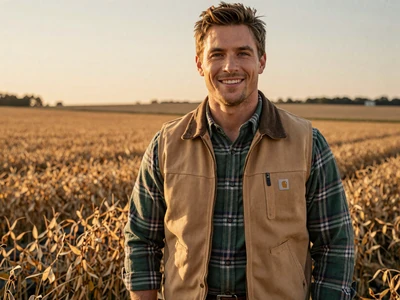
Tyler, 36 - Van Wert
Farms 1,400 acres of soybeans and corn in western Ohio. Third-generation grower who loves county fair season, Buckeye football, and looking for a partner who appreciates quiet evenings on the porch after a long day in the field.
Wave at Tyler 👋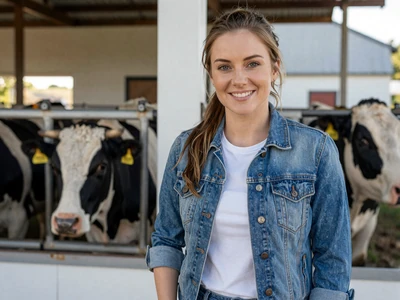
Sarah, 31 - Wooster
Dairy farmer milking 120 Holsteins in Wayne County. Grew up showing cattle at the Wayne County Fair. Enjoys hiking Mohican trails, making homemade cheese, and wants someone who does not mind 4:30 a.m. alarms.
Wave at Sarah 👋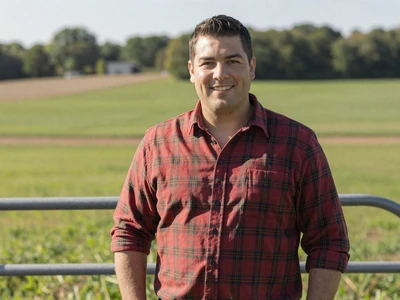
Derek, 43 - Circleville
Runs a 600-head hog operation in Pickaway County. Active in the Ohio Farm Bureau and coaches Little League. Looking for someone who values family, hard work, and a good fish fry on Friday nights.
Wave at Derek 👋An Ohio Success Story
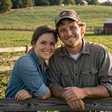
I tried every dating app out there - nothing worked when you live 40 minutes from the nearest town with a stoplight. Then I found Farmstead Singles, set my radius to 100 miles, and matched with Ryan from Seneca County. He drove an hour and a half for our first date at a diner in Findlay. That was 14 months ago. Now we are planning how to merge our two farms.
Explore Neighboring States
The best match for an Ohio farmer might be just across the state line. Expand your search and meet agricultural singles in these neighboring farming communities.
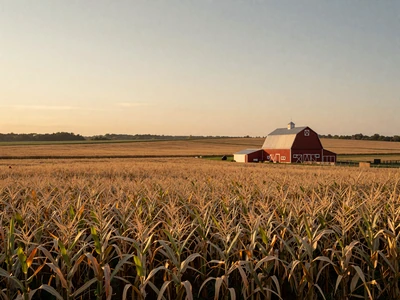
Indiana
56,800 farms with a strong soybean, corn, and hog tradition that mirrors western Ohio agriculture.
Meet Indiana Farmers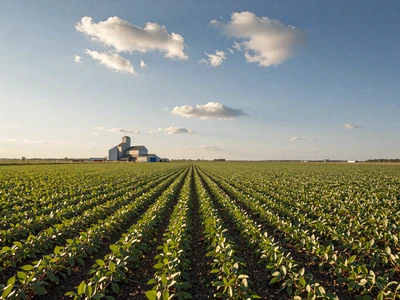
Illinois
Massive corn and soybean production plus agribusiness jobs create a deep pool of rural singles.
Meet Illinois Farmers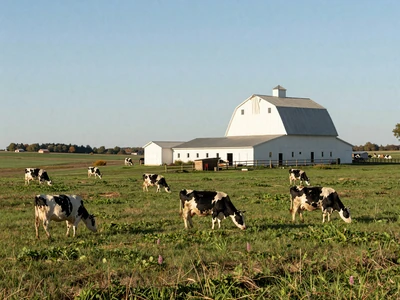
Wisconsin
America's dairy heartland, with family farms and Midwest values that pair naturally with Ohio farm culture.
Meet Wisconsin Farmers